
Finding the perfect working dog for your home isn’t just about picking a cute puppy or a breed you’ve always loved.
It’s about understanding the unique needs of working dog breeds and how their traits align with your daily life.
From the amount of exercise they require to their temperament and energy levels, every detail matters.
Let’s explore how to match these amazing pups with your lifestyle, ensuring a joyful partnership that lasts a lifetime.
Contents
- Understanding the Breed’s Purpose
- Assessing Your Activity Level
- Energy Requirements: What to Expect
- Grooming Needs: More Than Just Looks
- Temperament: Finding Your Perfect Match
- Training: Commitment and Consistency
- Health Considerations: Be Prepared
- Living Space: Adapting to Their Needs
- Social Needs: Interaction and Playtime
- Finding the Right Breeder: Do Your Homework
- Adoption vs. Buying: Weighing Options
- Preparing for Your New Companion
- Building a Strong Bond: Time and Trust
- Life After Adoption: Continuous Learning
Understanding the Breed’s Purpose
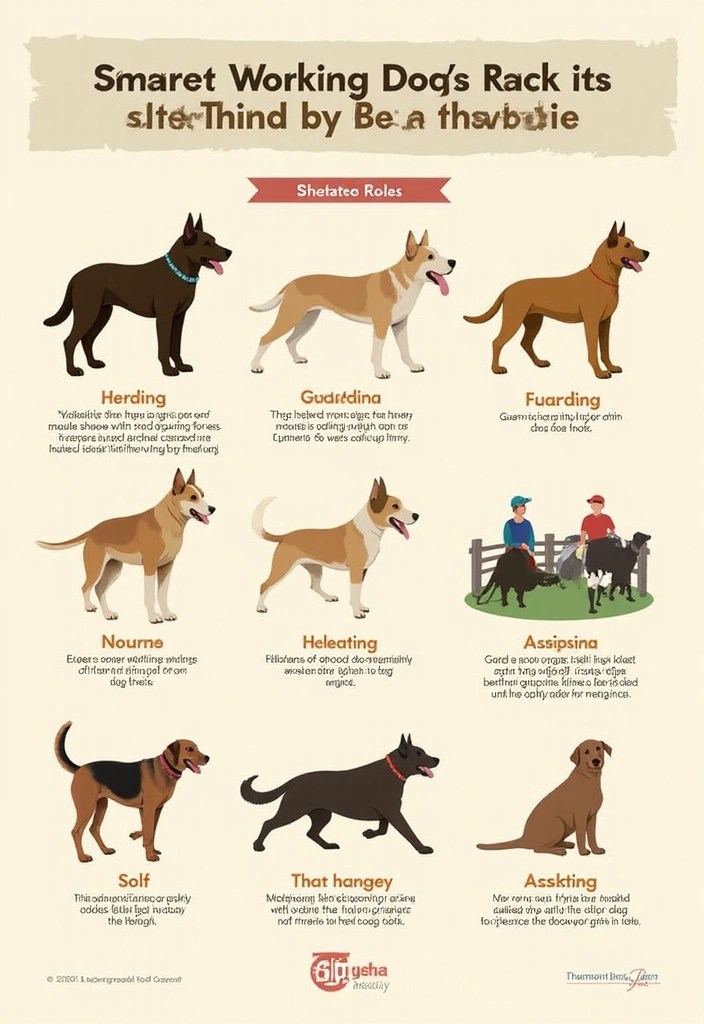
Different breeds serve unique purposes, and it’s essential to understand what job each breed was designed for.
For example, Border Collies are renowned herders, while Doberman Pinschers excel in protection.
Recognizing these differences can help you identify which breed is the best fit for your needs.
• Research the traditional roles of breeds to find one that matches your activities.
• Consider whether you need a dog for companionship, work in law enforcement, or as a therapy dog.
• Look into hybrid breeds, as they may combine desirable traits from both parents.
Understanding a breed’s purpose not only helps with choosing a dog but also prepares you for the expected behaviors and training necessary for success.
Assessing Your Activity Level

Your lifestyle plays a huge role in selecting the right dog.
If you lead an active lifestyle, a high-energy breed like the German Shepherd or Labrador Retriever might be your best match.
On the other hand, a more laid-back lifestyle may complement a breed like the Bulldog.
• Take time to evaluate your daily routine. Do you run, hike, or spend time outdoors?
• Consider how much time you can dedicate to exercise and playtime daily.
• A working dog needs mental stimulation too; interactive toys and training sessions are vital.
By matching your activity level with your dog’s needs, you not only ensure their happiness but also yours.
Energy Requirements: What to Expect
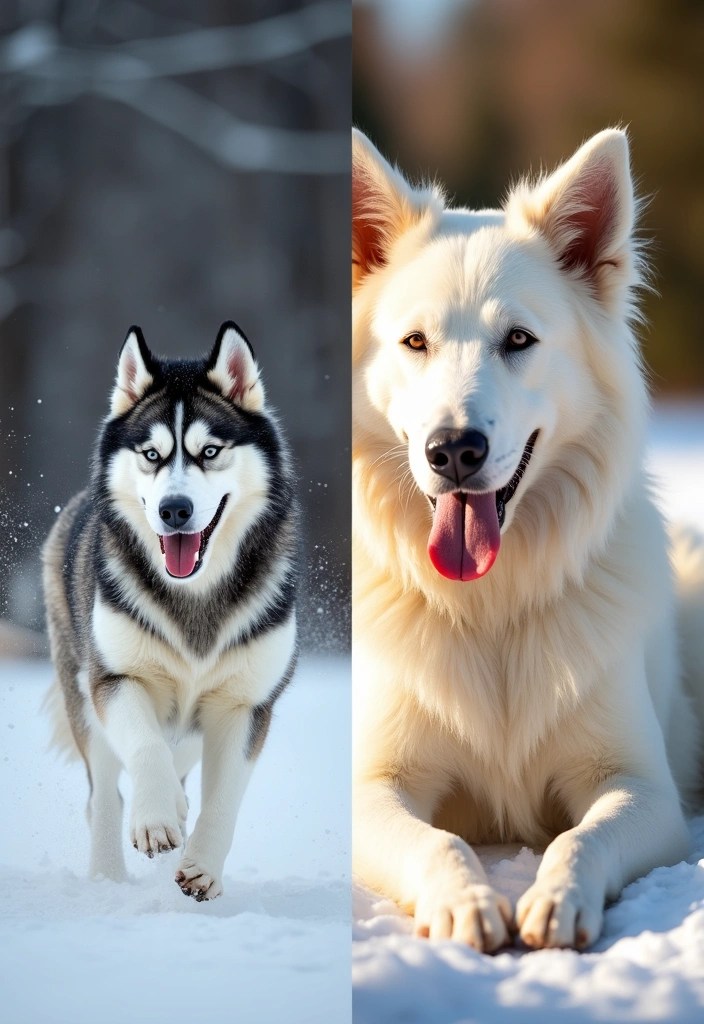
Working dogs tend to have higher energy levels compared to other breeds.
Understanding their energy requirements can prevent frustration for both you and your dog.
For instance, breeds like the Siberian Husky thrive on rigorous exercise, while others, like the Great Pyrenees, may require less intense activity.
• Daily walks, playtime, and mental exercises are essential for maintaining their health.
• Avoid choosing a breed that needs more activity than you can provide, as this leads to behavioral issues.
• Look into dog sports or agility training as a way to bond and burn off energy together.
By recognizing and meeting these energy needs, you’ll foster a happy, healthy, and well-adjusted working dog.
Grooming Needs: More Than Just Looks
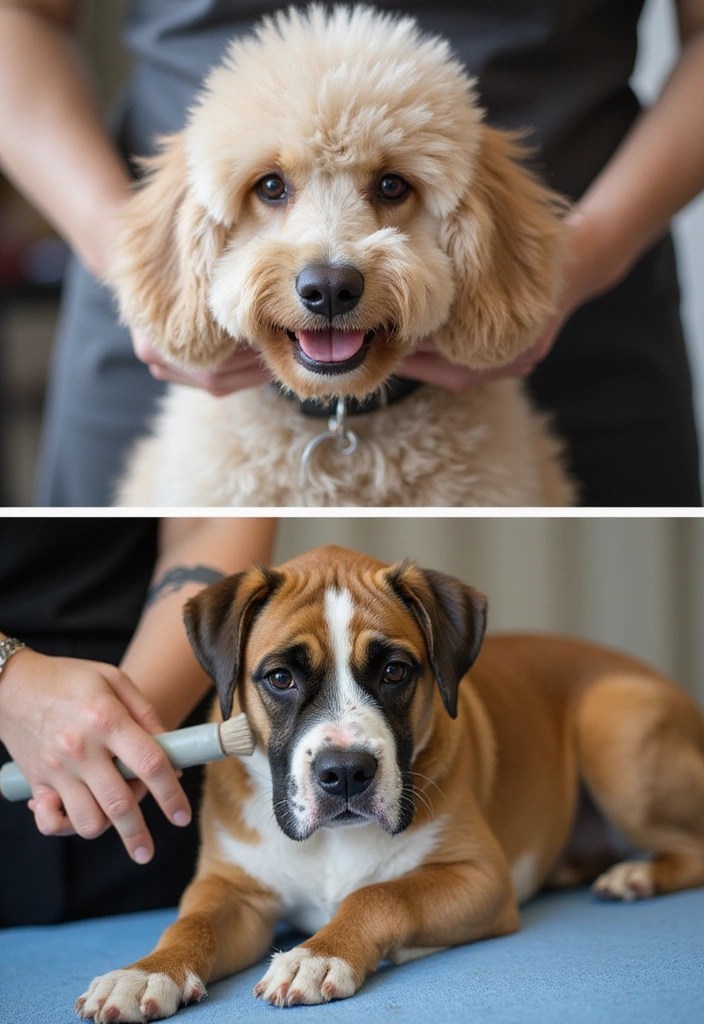
When choosing a working dog, grooming requirements are often overlooked.
Some dogs, like the Poodle, need regular grooming to maintain their coats, while others, like the Boxer, have minimal grooming needs.
• Be honest about how much time and effort you can invest in grooming.
• Research each breed’s coat type, as this affects shedding and maintenance.
• Certain breeds may also have specific health concerns that require additional care.
Understanding these grooming needs helps ensure that your dog stays healthy and comfortable, allowing you to enjoy your time together.
Temperament: Finding Your Perfect Match

Temperament is a critical factor in selecting a working dog.
Some breeds, like the Akita, are known for their loyalty and protective nature, while others, like the Labrador, are friendly and outgoing.
• Consider your household dynamics and whether you have children or other pets.
• Research breeds that are known to be social and adaptable, especially if your lifestyle involves frequent gatherings.
• Pay attention to behavioral traits that align with your personality for a harmonious relationship.
Matching your dog’s temperament with your lifestyle can lead to a fulfilling companionship for years to come.
Training: Commitment and Consistency
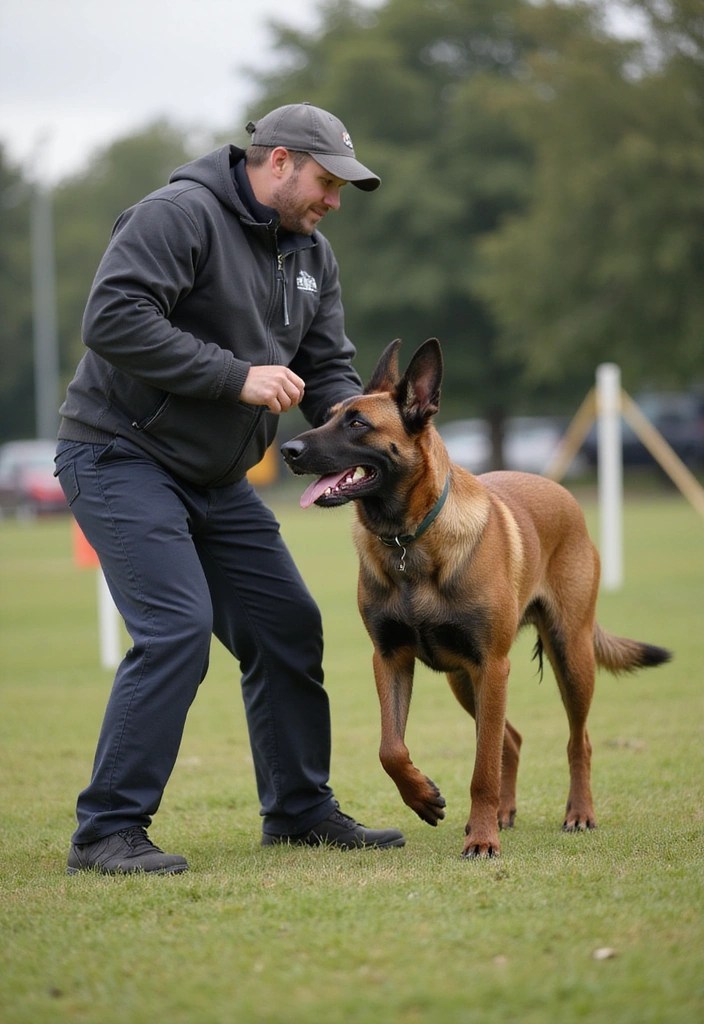
Training is non-negotiable when it comes to working dogs.
They thrive on structure and need consistent training to understand their roles.
High-intelligence breeds like the Belgian Malinois excel with rigorous training while others may require a gentler approach.
• Establish clear commands and boundaries from an early age.
• Use positive reinforcement techniques to encourage good behavior.
• Consider engaging a professional trainer, especially for more challenging breeds.
By committing to training, you enhance your dog’s skills and deepen the bond you share.
Health Considerations: Be Prepared

Every breed comes with its own set of health considerations that potential owners must be aware of.
For instance, large breeds often face joint issues, while smaller breeds might deal with dental problems.
It’s essential to research the breed’s common health concerns and prepare for any potential issues.
• Regular vet check-ups can help catch problems early.
• Provide a balanced diet tailored to your dog’s needs.
• Understanding health care routines specific to certain breeds fosters longevity.
Being proactive about health not only extends your dog’s life but also enhances the time you spend together.
Living Space: Adapting to Their Needs
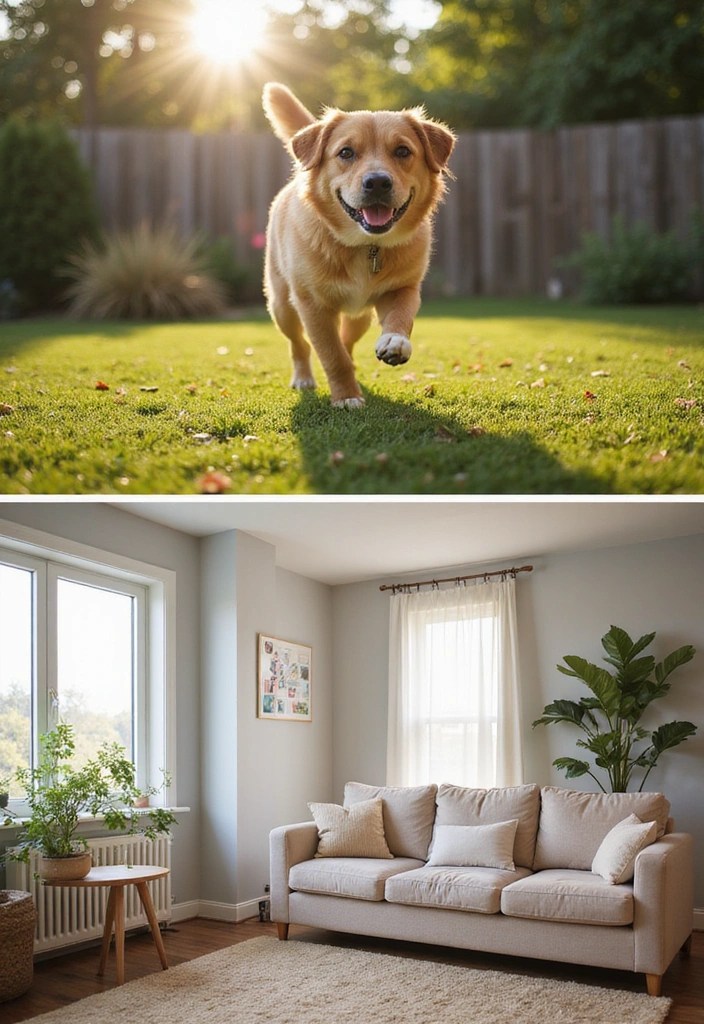
Not all dogs thrive in every living situation.
If you live in a small apartment, a less active breed may be ideal, while a home with a big yard is perfect for energetic breeds.
• Assess your living space and determine how a dog will fit into your life.
• Consider the need for outdoor activities and how often you can provide access.
• Some breeds, like the Australian Cattle Dog, are best suited for open spaces to explore and play.
Creating an accommodating environment for your dog ensures they are happy and comfortable, making for a joyful living experience.
Social Needs: Interaction and Playtime
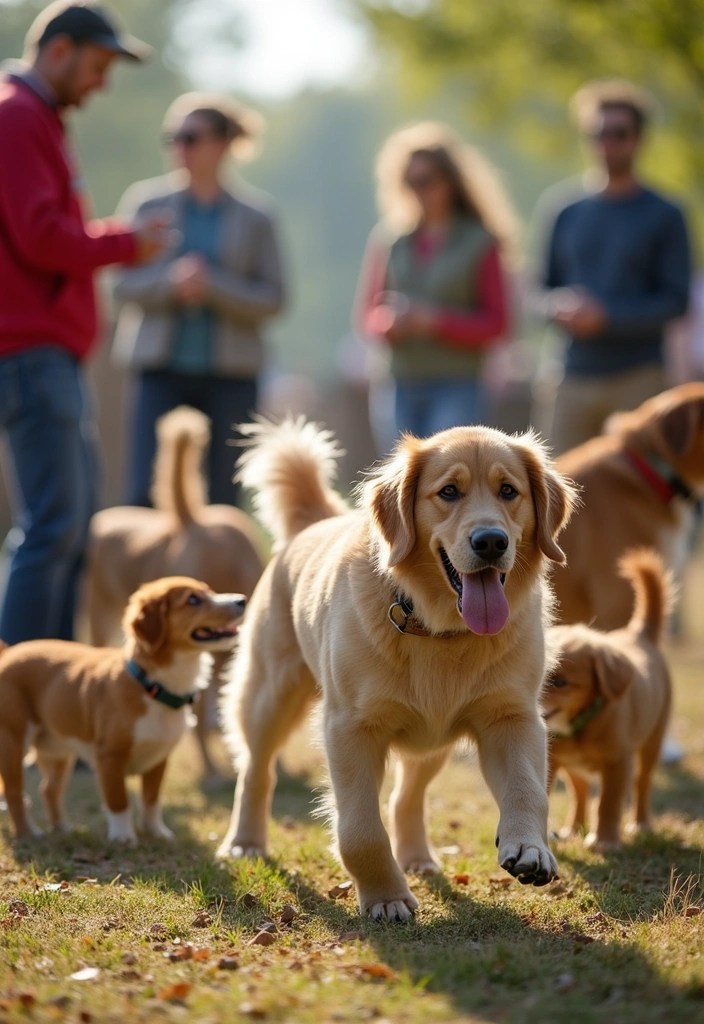
Working dogs often thrive on social interaction, both with humans and other dogs.
They require regular playtime, training sessions, and outings to stimulate their minds and foster social skills.
• Schedule regular playdates with other dogs to encourage healthy interactions.
• Join dog clubs or community groups focused on specific activities or breeds.
• Spend quality time engaging in play or training to strengthen your bond.
By meeting their social needs, you ensure a well-rounded and content working dog.
Finding the Right Breeder: Do Your Homework

Choosing the right breeder is crucial for a healthy and well-bred working dog.
Look for breeders who prioritize health screenings and socialization of their puppies.
• Research and visit facilities to assess cleanliness and the overall environment.
• Ask for health clearances and information on the puppy’s lineage.
• Trustworthy breeders should be open to questions and provide support post-adoption.
A reputable source sets the stage for a positive experience with your new furry companion.
Adoption vs. Buying: Weighing Options

Deciding whether to adopt or buy a working dog is an important choice.
Adoption can save a life and often comes with an already established temperament.
However, purchasing from a reputable breeder may provide specific breed traits and health guarantees.
• Explore local shelters and rescue organizations specializing in working breeds.
• Understand the commitment involved in adopting an older dog versus getting a puppy.
• Weigh the pros and cons of each option to find the best fit for your lifestyle.
Both avenues have unique benefits, so considering your situation is key to a successful match.
Preparing for Your New Companion

Before bringing your new working dog home, preparation is vital.
Create a safe environment filled with appropriate toys, bedding, and food tailored to their needs.
• Establish a routine early on to help them transition smoothly.
• Set up a designated area for feeding and sleeping to give them a sense of security.
• Gather training supplies and resources that will help you and your dog succeed together.
Being ready for your new companion ensures a seamless introduction into your family.
Building a Strong Bond: Time and Trust
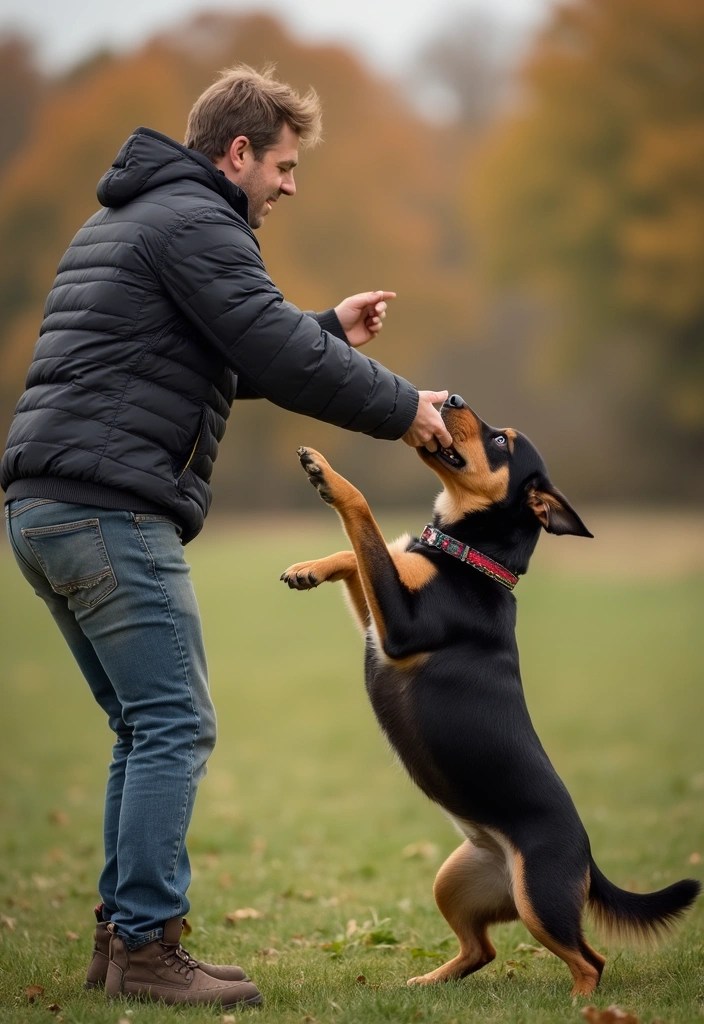
The foundation of a successful relationship with your working dog is built on trust and time.
Spending quality moments together, whether through play or training, fosters a deeper understanding.
• Be patient as your dog acclimates to their new environment; building trust takes time.
• Practice consistency in training and commands to solidify your connection.
• Engage in activities that both you and your dog enjoy to strengthen your bond.
Nurturing this bond leads to a harmonious partnership and a fulfilled working dog.
Life After Adoption: Continuous Learning
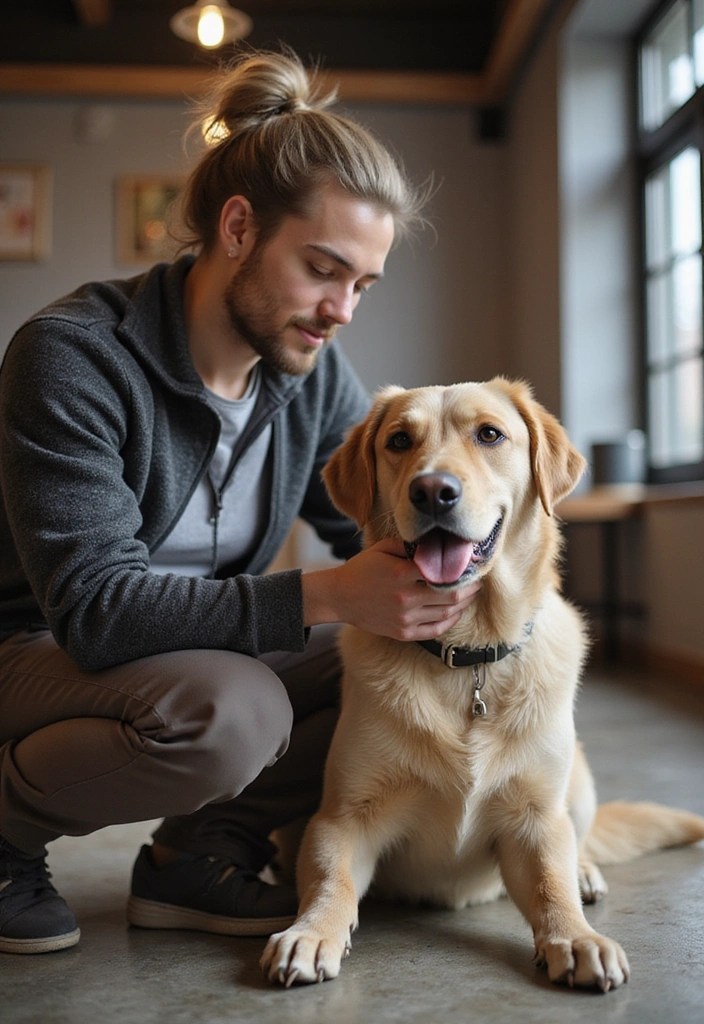
Owning a working dog is an ongoing journey of learning and growth.
Stay committed to their training and development, ensuring they remain well-rounded and manageable.
• Continue education through advanced training classes or workshops.
• Seek resources, such as books or online courses, to enhance your dog-handling skills.
• Embrace the changes and milestones you and your dog experience together.
Every step you take together enriches your shared life and creates lasting memories.
Conclusion: A Joyful Partnership Awaits

Choosing the right working dog means considering their needs and how they fit into your life.
Each dog brings unique traits and joys that can enrich your everyday experience.
By investing time in understanding their requirements and preparing thoughtfully, you’re setting the stage for a beautiful partnership.
Remember, this journey is filled with love, learning, and companionship.
 x
x 
Leave a comment