
Selling used cars can be a rewarding venture if done right. With the right strategies, you can turn that old ride into a nice chunk of change.
In this article, we’ll share top tips that will not only help you sell your car but also maximize your profit. From prepping your car for sale to leveraging social media, each tip is designed to make the selling process smoother and more lucrative.
Get ready to take notes, because these insights will give you the edge you need in the competitive used car market.
Contents
- 1. Clean and Detail Your Car
- 2. Set the Right Price
- 3. Create an Attractive Listing
- 4. Use Social Media to Your Advantage
- 5. Be Ready for Negotiation
- 6. Prepare for Test Drives
- 7. Highlight Unique Features
- 8. Be Honest About the Car’s History
- 9. Offer a Warranty or Guarantee
- 10. Use Online Marketplaces Effectively
- 11. Timing is Everything
- 12. Leverage Word of Mouth
- 13. Be Patient and Persistent
- 14. Prepare for Paperwork
- 15. Follow Up with Buyers
1. Clean and Detail Your Car
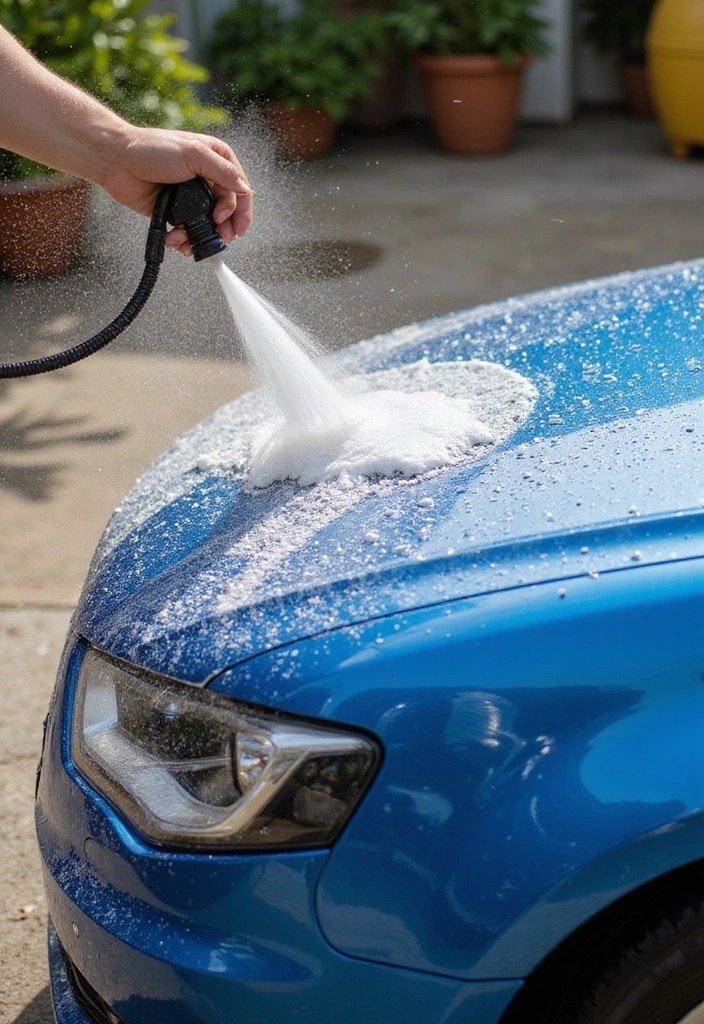
First impressions matter, especially when selling a used car. A clean, well-maintained vehicle can significantly boost its appeal.
Start by giving your car a thorough wash, both inside and out. Remove any personal items, trash, and clutter from the interior. Consider investing in a professional detailing service if you want to go the extra mile. A shining exterior and a fresh-smelling interior can make all the difference. Don’t forget to take care of minor repairs like scratches and dents; these small fixes can increase your car’s value.
Additionally, clean your engine bay and tires to give your car that showroom shine. A well-maintained car suggests to buyers that it has been cared for, which can justify your asking price.
– Clean carpets and upholstery thoroughly.
– Polish headlights for better visibility.
– Use air fresheners to create a pleasant atmosphere inside.
– Take high-quality photos of your freshly cleaned car for your listings.
Investing in quality cleaning supplies can pay off. Check out products like microfiber towels, all-purpose cleaners, and tire shine solutions that can help make your car sparkle.
2. Set the Right Price
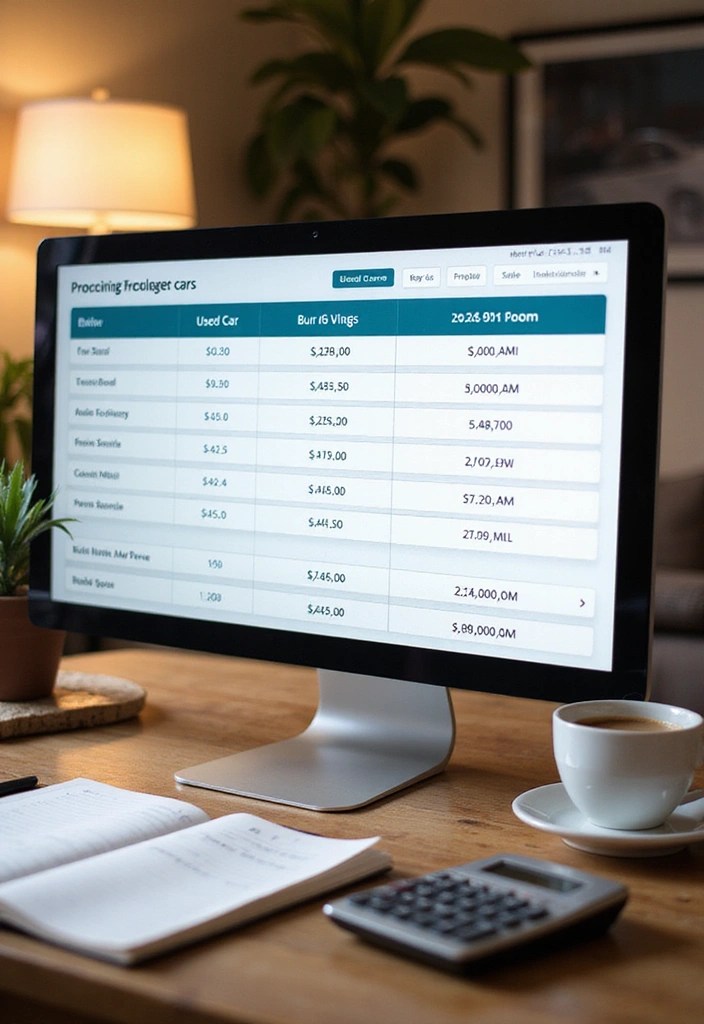
Pricing your used car correctly is a vital step in the selling process. If the price is too high, potential buyers may be deterred. If it’s too low, you might end up losing out on profit.
Research similar cars in your area to get a feel for the market. Websites like Kelley Blue Book and Edmunds can provide valuable insights into your car’s value based on its make, model, year, and condition.
Consider the mileage, condition, and any upgrades you’ve made when setting your price. If your car is in excellent shape with low mileage, don’t shy away from pricing it at a premium. However, be prepared to negotiate, as many buyers expect a little back-and-forth.
– Create a price range to give yourself flexibility.
– Be transparent about any issues the car may have to build trust.
– Offer a slightly higher price than your minimum acceptable price to allow room for negotiation.
Finding that sweet spot can mean the difference between a quick sale and a long wait, so don’t rush this step.
3. Create an Attractive Listing

Your listing is your first chance to attract potential buyers, so make it count. An attractive, informative listing can draw in interested parties faster than you think.
Start with a compelling title and a detailed description. Highlight the key features and benefits of your car, such as fuel efficiency, safety ratings, and any upgrades you’ve made. Use high-quality images that showcase your car from various angles. Make sure to include interior shots as well!
Photos should be taken in natural light, preferably in a clean and clutter-free area to enhance the car’s appeal. Don’t forget to include basic details like make, model, year, mileage, and any service history.
– Use bullet points for easy readability.
– Include a call to action, encouraging potential buyers to reach out.
– Be honest about the condition and history of the car to build trust.
An engaging listing can create a sense of urgency; buyers may feel they need to act fast to snag a good deal.
4. Use Social Media to Your Advantage
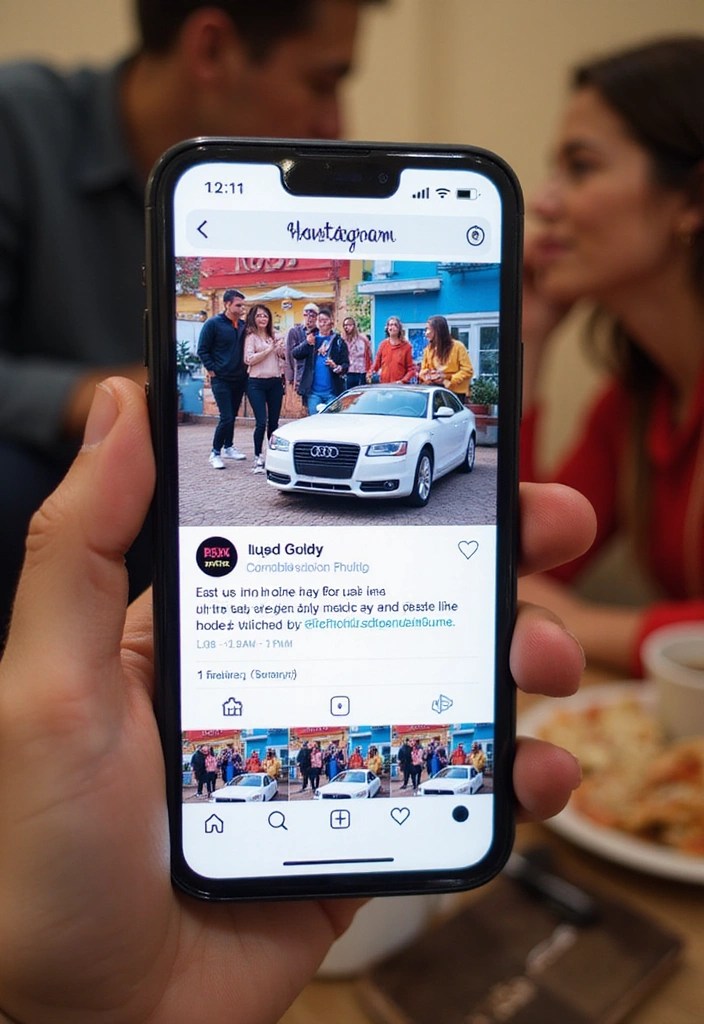
In today’s digital age, social media can be a powerful tool for selling used cars. Platforms like Facebook, Instagram, and even Twitter can help you reach a wider audience.
Start by posting your listing on your personal accounts, but don’t stop there. Join local buy/sell groups on Facebook and engage with the community. Create eye-catching posts with photos and a brief description, and encourage your friends to share your post.
Consider using hashtags to broaden your reach, and don’t hesitate to ask for referrals. Word of mouth can be incredibly effective, and personal recommendations can lead to serious inquiries.
– Share your listing in community groups and local pages.
– Use Facebook Marketplace for a more targeted audience.
– Regularly update your post to keep it fresh in the feed.
The more people who see your car, the higher your chances of making a sale quickly.
5. Be Ready for Negotiation

Negotiation is a natural part of the selling process. Many buyers will expect to haggle, and being prepared for this can help you maximize your profit.
Before meeting with potential buyers, establish a minimum price you’re willing to accept. This will help you stay grounded during negotiations and prevent you from agreeing to a price that’s too low.
When a buyer makes an offer, respond confidently. Explain why your price is fair based on the condition of the car, its features, and your research. Don’t take it personally if they make a low offer; instead, use it as a starting point for negotiations.
– Consider offering small incentives, like a tank of gas or a recent service.
– Stay calm and patient; negotiating can take time.
– Be willing to walk away if the offer doesn’t meet your expectations.
The goal is to find a middle ground that satisfies both you and the buyer, ensuring a smooth transaction.
6. Prepare for Test Drives

Test drives are often the final step before a sale, so ensuring a positive experience can seal the deal. Make your car available for test drives and be ready to answer any questions the buyer may have.
Before the test drive, confirm they have a valid driver’s license and insurance. This protects you and ensures the buyer is serious about the purchase.
Choose a safe route that allows the buyer to experience the car’s handling and features. During the drive, point out the car’s strengths, such as its smooth ride or impressive acceleration. Make sure to express enthusiasm, as your positive energy can influence their decision.
– Prepare your car for a test drive by ensuring it’s clean and functional.
– Have a printed copy of the car’s specifications and service history ready to show.
– Follow up with the buyer after the test drive to gauge their interest.
A well-conducted test drive can make a lasting impression and increase the likelihood of a sale.
7. Highlight Unique Features

Every used car has something that makes it special, and highlighting those features can attract buyers. Whether it’s a sunroof, leather seats, or a premium sound system, unique features can set your car apart from others on the market.
When creating your listing, make sure to include these standout features prominently. Use high-quality images that showcase these elements, and if possible, demonstrate how they work during the test drive.
For example, if your car has a built-in navigation system, show it in action.
– Mention any recent upgrades or modifications.
– If you have service records showing regular maintenance, include those as well.
– Create a list of the top three features that make your car worth the asking price.
The more buyers can see and appreciate the unique aspects of your car, the more likely they are to consider it worth the investment.
8. Be Honest About the Car’s History
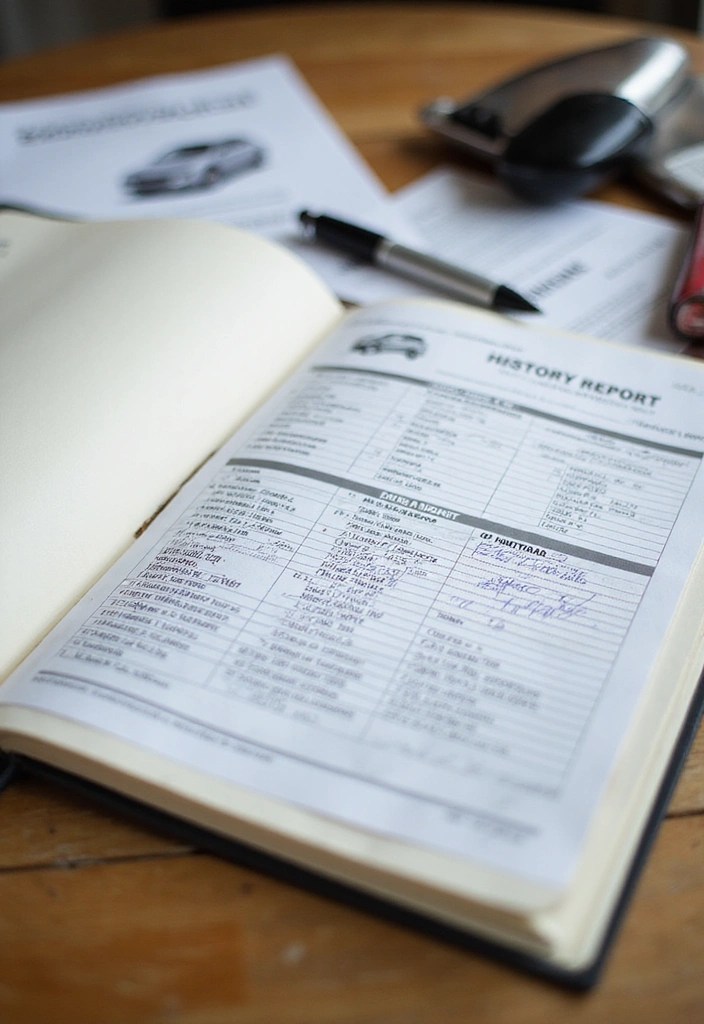
Transparency is key when selling used cars. Being honest about the car’s history can build trust with potential buyers and help avoid disputes later on.
If your car has been in an accident, disclose it upfront. Provide a vehicle history report that details any previous accidents, maintenance records, and title status. Buyers appreciate honesty and will be more likely to trust you if you are open about the car’s condition.
– Include any repairs or replacements you’ve made in your listing.
– Be prepared to answer questions about the car’s history during negotiations.
– If you have a good maintenance record, showcase that as a positive aspect.
Remember, a trustworthy seller can command a better price and sell their car faster.
9. Offer a Warranty or Guarantee

Offering a warranty or guarantee can make your listing more attractive to buyers. It provides them with peace of mind and shows that you stand behind your vehicle.
Consider offering a limited warranty that covers specific components, such as the engine or transmission. This can alleviate concerns buyers may have about potential repairs after purchase.
Clearly outline the terms of the warranty in your listing, including its duration and coverage. Providing this assurance can differentiate your car from others on the market.
– Research local warranty providers to find suitable options.
– Make sure to explain the warranty terms clearly during negotiations.
– Consider adjusting your asking price to accommodate the warranty cost.
A warranty can not only enhance the perceived value of your car but also foster trust with potential buyers.
10. Use Online Marketplaces Effectively

Online marketplaces are a game-changer when it comes to selling used cars. Platforms like Craigslist, Facebook Marketplace, and Autotrader provide a wide reach.
When listing your car, take advantage of the features these platforms offer, such as promoting your listing for increased visibility. Use high-quality images and detailed descriptions to catch the eye of potential buyers scrolling through listings.
Regularly update your listing to keep it fresh and engage with interested buyers promptly. Responding quickly can make a significant difference in securing a sale.
– Optimize your listing with relevant keywords to improve searchability.
– Keep an eye on your competition and adjust your pricing accordingly.
– Use social media to promote your online listings further.
By effectively utilizing online marketplaces, you can significantly increase your chances of selling your car quickly and at a good price.
11. Timing is Everything

The timing of your sale can greatly impact your profit. Certain times of the year, such as spring and summer, tend to see higher demand for used cars.
Consider local trends and demographics when deciding the right time to sell. For example, if you live near a college, you might find more buyers in late spring as students look for reliable cars.
Additionally, keep an eye on market trends. If gas prices are rising, fuel-efficient cars may be in higher demand.
– Monitor local market conditions to identify the best time to sell.
– Avoid selling during holidays when people are focused on other expenses.
– Prepare your car ahead of peak seasons to ensure it’s ready for sale.
Selling at the right time can lead to quicker sales and potentially higher offers.
12. Leverage Word of Mouth

Don’t underestimate the power of word-of-mouth advertising. Let your friends, family, and colleagues know that you’re selling your car. They might know someone who’s in the market.
Craft a brief message or social media post explaining what you’re selling and share it with your network. Encourage them to spread the word. Personal recommendations can carry more weight than online listings.
You can also consider offering a referral bonus to anyone who brings you a buyer. This can motivate your social circle to help you out.
– Create a shareable post with engaging visuals.
– Be clear about the details of your car and your asking price.
– Follow up with anyone who shows interest to keep the momentum going.
Word of mouth can be an effective way to reach potential buyers that traditional listings might miss.
13. Be Patient and Persistent

Selling a used car can sometimes take longer than anticipated. It’s essential to stay patient and persistent through the process.
If you don’t get inquiries right away, don’t be discouraged. Reassess your listing and make adjustments if necessary. Perhaps you need to lower the price or improve your car’s presentation.
Stay engaged with potential buyers and respond to inquiries promptly. Keeping the lines of communication open can help build interest.
– Regularly check your listings to ensure they’re still active.
– Don’t hesitate to repost or refresh your listing.
– Keep a positive attitude throughout the process.
Persistence can pay off; many successful sellers have stories of finding the right buyer after a long wait.
14. Prepare for Paperwork

Once you find a buyer, the paperwork can feel daunting, but it’s a crucial part of the selling process. Make sure you have all the necessary documents ready, including the title, bill of sale, and any maintenance records.
Check your local regulations regarding the transfer of ownership and ensure you comply with all requirements. This can vary by state, so do your research.
Prepare a simple bill of sale to outline the terms of the sale, including the price, vehicle identification number (VIN), and both parties’ signatures. This will protect you and the buyer in case any disputes arise.
– Keep copies of all documents for your records.
– Provide a checklist of necessary documents to the buyer.
– Be ready to answer any questions about the paperwork process.
Being organized with your paperwork can make the final sale smoother and help you feel more confident.
15. Follow Up with Buyers

After the sale, following up with your buyer can leave a lasting impression. This simple gesture can foster goodwill and may lead to referrals in the future.
Reach out to thank them for their purchase and ask how they’re enjoying the car. This can also be an opportunity to remind them to reach out if they have any questions or need assistance.
A thoughtful follow-up can make you stand out as a seller who genuinely cares about their customers.
– Consider sending a handwritten note as a personal touch.
– Ask if they would be open to providing a testimonial or review.
– Encourage them to refer friends or family if they were satisfied with their experience.
Building relationships with buyers can enhance your reputation as a seller and can lead to more successful sales in the future.
Conclusion

Selling used cars can be a lucrative venture when approached with the right strategies. From cleaning and detailing to negotiation and follow-up, each step is essential in maximizing your profit.
By implementing these tips, you can make the selling process smoother and potentially earn more from your sale. Don’t forget the power of patience and persistence in this journey!
Happy selling, and may your old ride find a new home soon!

 x
x 
Leave a comment